
Let's Beat Pollution!
KHUMOETSILE RECYCLING (PTY) Ltd collects what you no longer need, helping to reduce pollution and repurpose old unwanted materials. Play your part and help reduce pollution in South Africa.
KHUMOETSILE RECYCLING (PTY) Ltd collects what you no longer need, helping to reduce pollution and repurpose old unwanted materials. Play your part and help reduce pollution in South Africa.
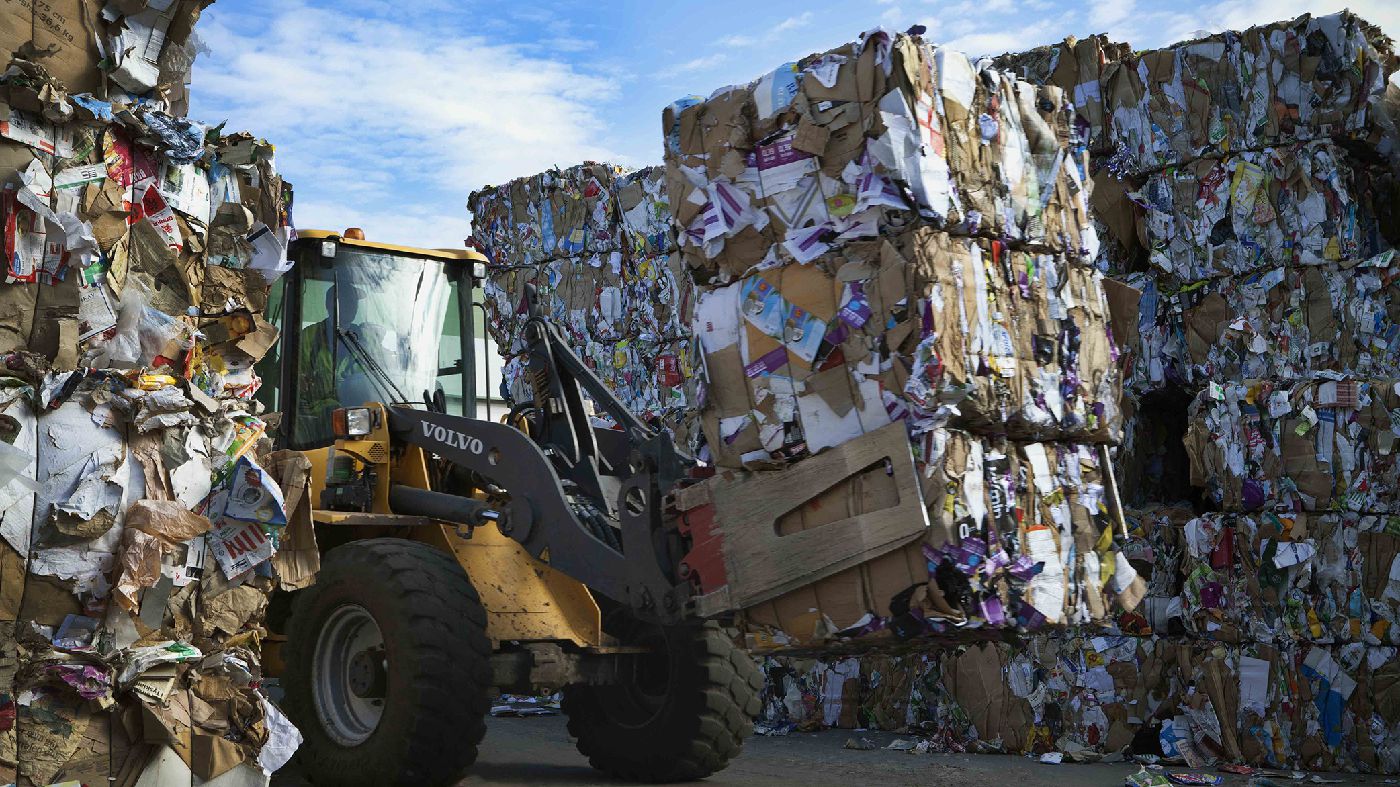
Paper makes up nearly 30 percent of municipal solid waste (trash) generated each year, more than any other material. South Africans recycled about 65 percent of the paper they used in 2014. This recovered paper is used to make new paper products, saving trees and other natural resources. Most community or office recycling programs accept paper and paper products. Check what your community or office program accepts before you put it in the bin. When you go shopping, look for products that are made from recycled paper.

Some batteries contain heavy metals such as mercury, lead, cadmium, and nickel; therefore, many communities do not allow them to be thrown away with your regular trash. Recycling is always the best option for disposing of used batteries.
Lead-Acid Car Batteries can be returned to almost any store that sells car batteries. The lead and plastics from the batteries can then be recycled and used to manufacture new products. About 99 percent of lead-acid car batteries are recycled.
Dry-Cell Batteries are used in a variety of electronics and include alkaline and carbon zinc (9-volt, D, C, AA, AAA), mercuric-oxide (button, some cylindrical and rectangular), silver-oxide and zinc-air (button), and lithium (9-volt, C, AA, coin, button, rechargeable) batteries. Look for in-store recycling bins or community collection events to dispose of these batteries.
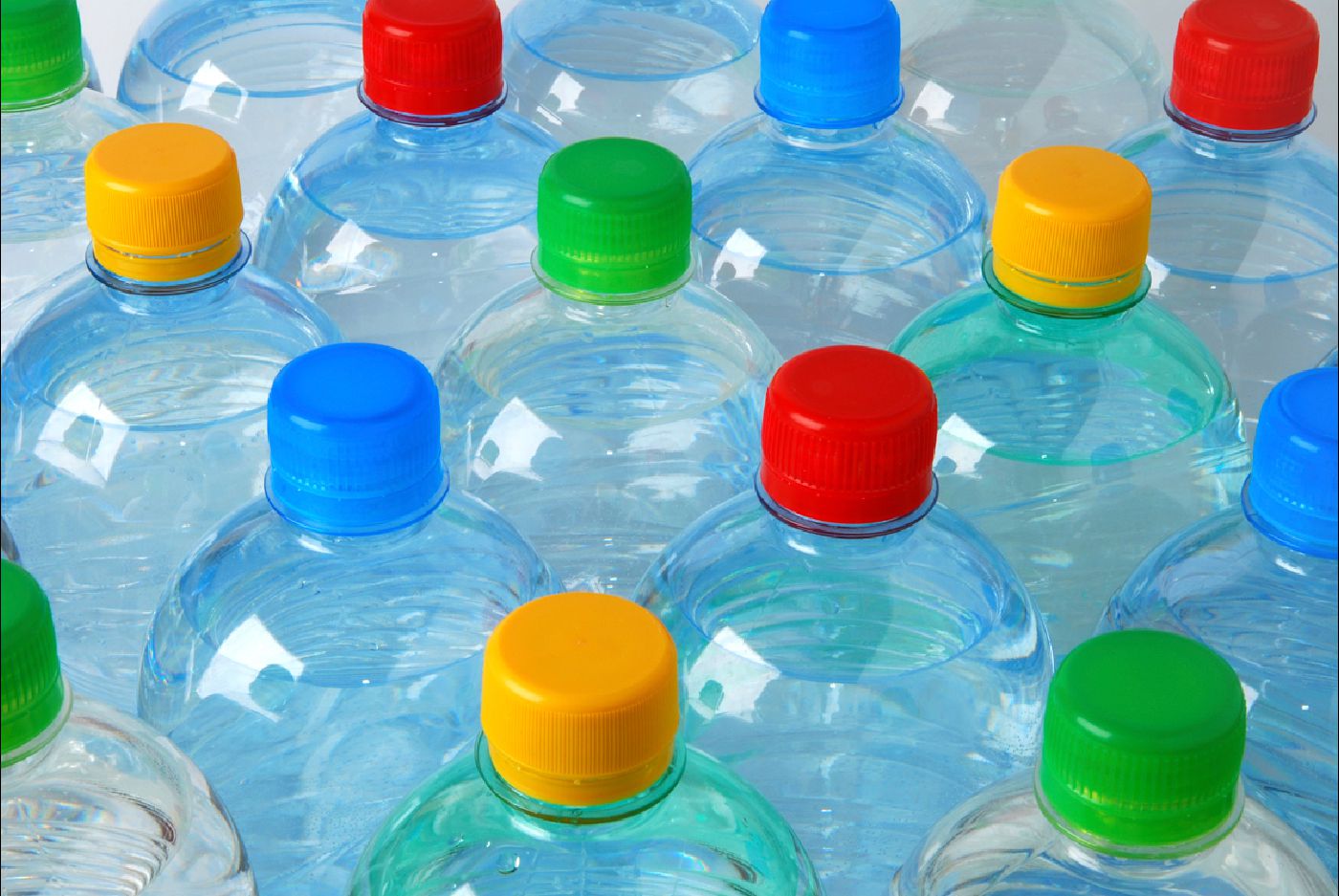
Only 9.5 percent of plastics were recycled in 2013. Some types of plastics are recycled much more than others. Most community recycling programs accept some, but not all, types of plastics. Look for products made from recycled plastic materials
.
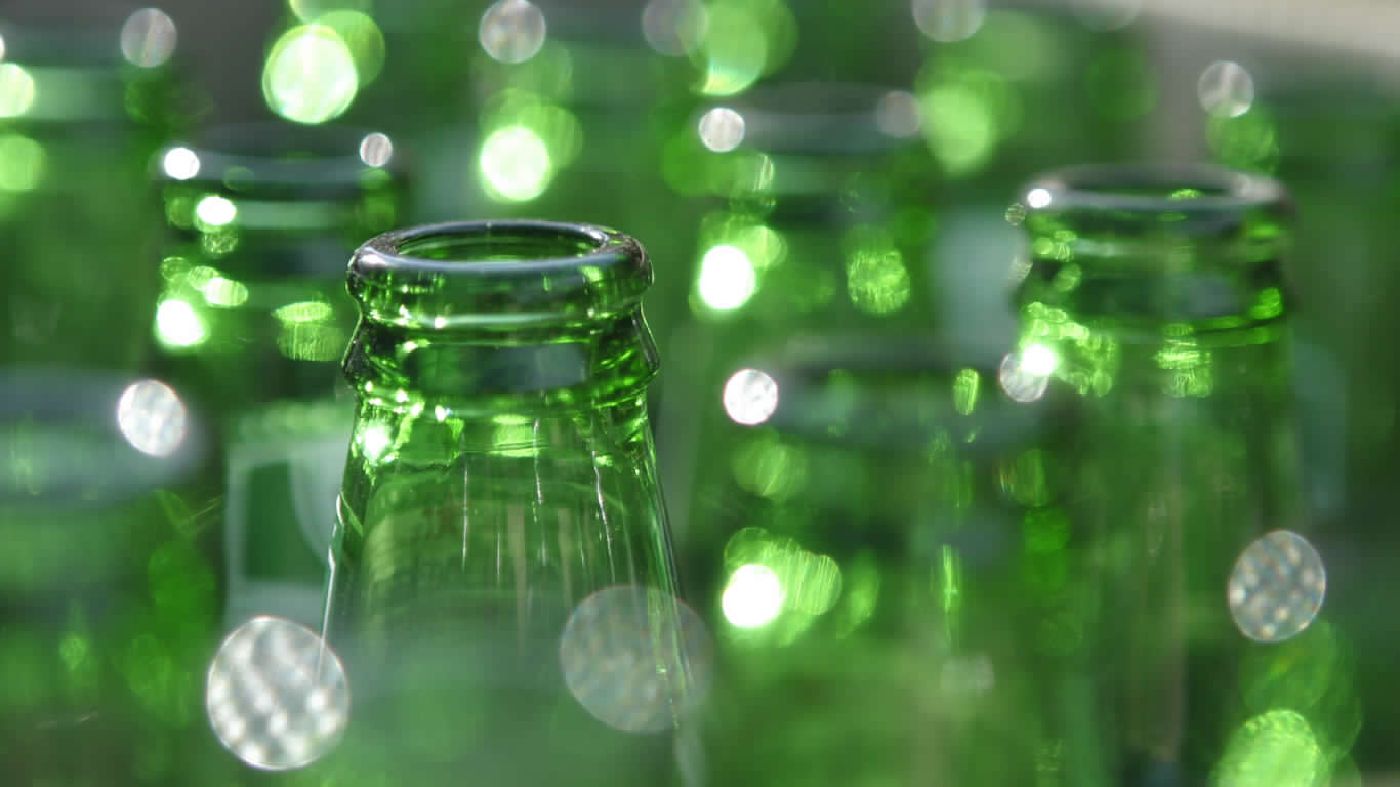
Glass, especially glass food and beverage containers, can be recycled over and over again. Making new glass from recycled glass is typically cheaper than using raw materials. Most curbside community recycling programs accept different glass colors and types mixed together, and then glass is sorted at the recovery facility. Check with your local program to see if you need to separate your glass or if it can be mixed together
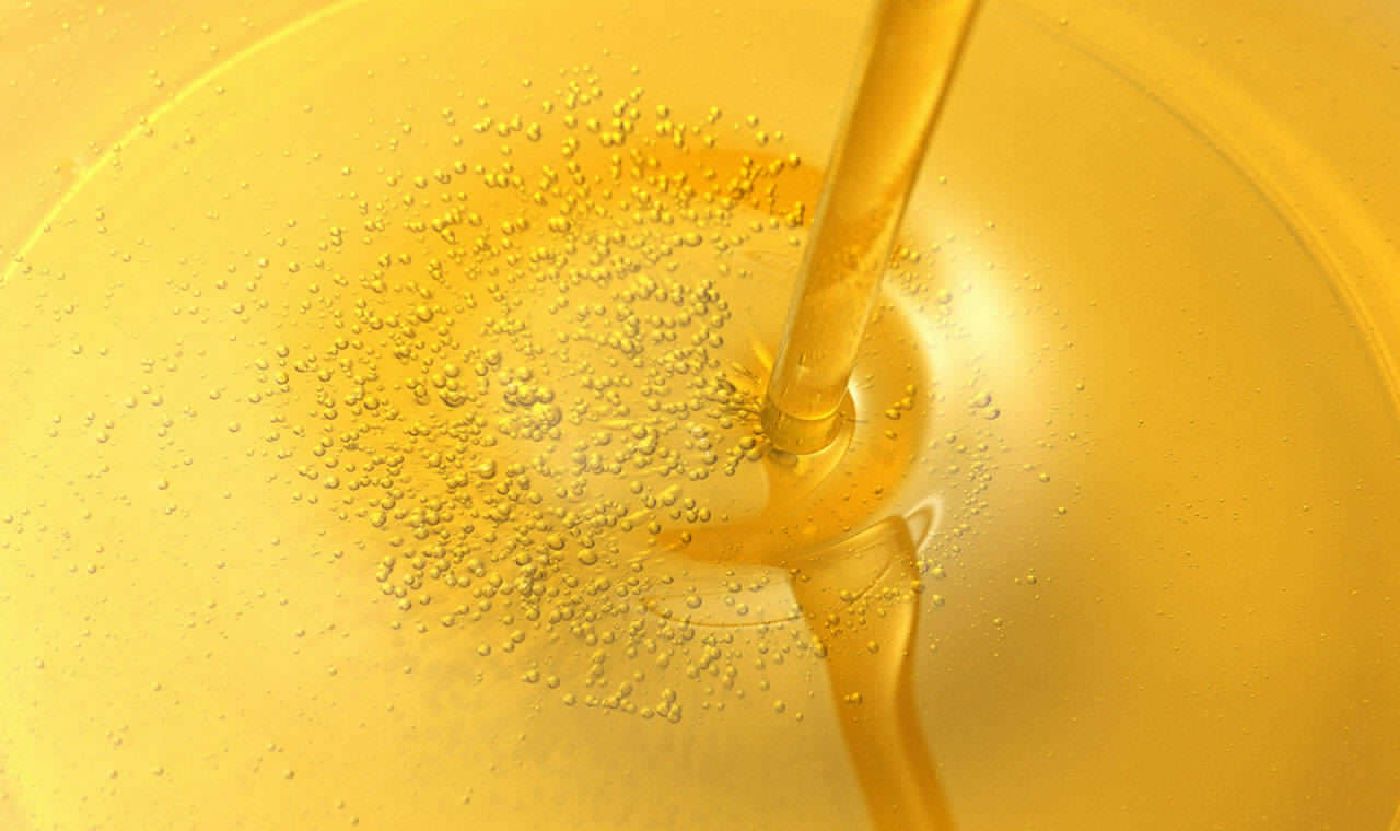
Never dump your used motor or cooking oil down the drain — the used oil from one oil change can contaminate one million litres of fresh water. By recycling your used oil you not only help keep our water supply clean, but help reduce South African dependence on foreign oil. It takes 42 litres of crude oil, but only one litre of used oil, to produce 250ml of new motor oil. Bring over all your used oil to us and help keep South Africa clean & green.
Used motor oil is insoluble, persistent, and can contain toxic chemicals and heavy metals.
It’s slow to degrade.
It sticks to everything from beach sand to bird feathers.
It’s a major source of oil contamination of waterways and can result in pollution of drinking water sources.
Contact us to collect your used oil.
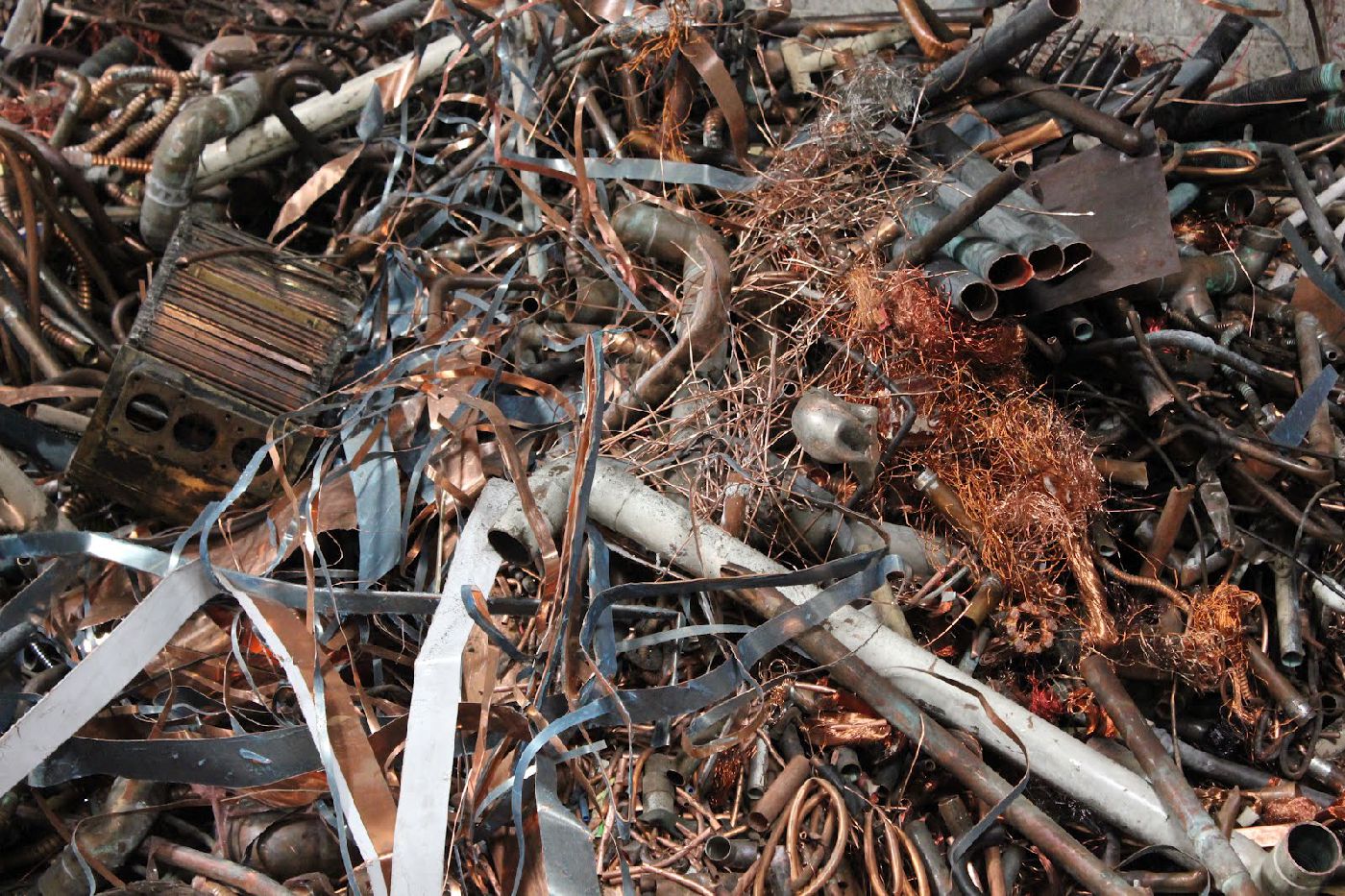
Steel is the most recycled material on the planet, more than all other materials combined. Steel retains an extremely high overall recycling rate, which in 2012, stood at 88 percent. ... Prompt scrap is scrap that it is produced from manufacturing products from steel, and is available within months. Metal encompasses everything from aluminum foil to clothes hangers, but it can all be recycled in some way. As one of the nation's recyclers of scrap metal, Khumoetsile Recycling's metals recycling facilities collect, broker, process and recycle metal, both ferrous (containing iron) and nonferrous (not containing iron).